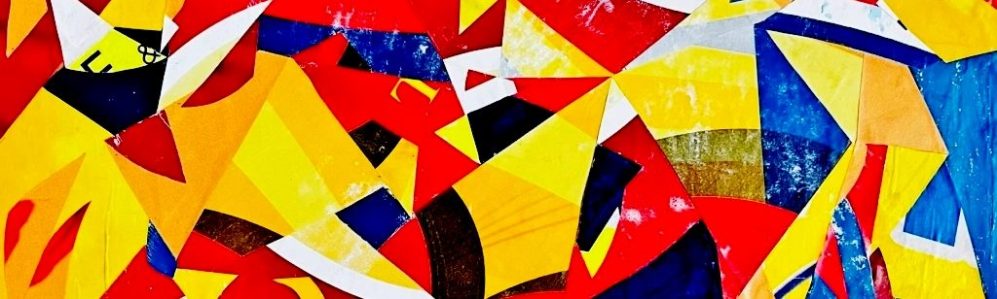
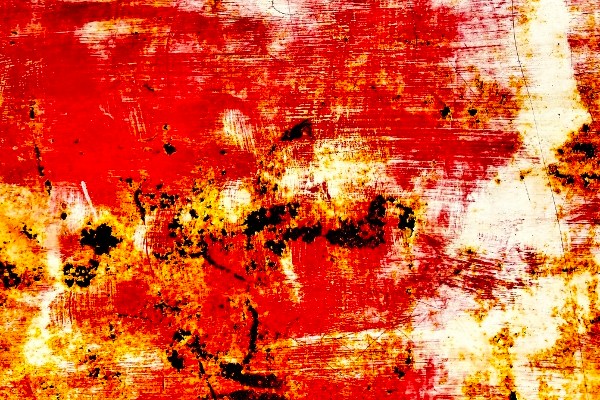
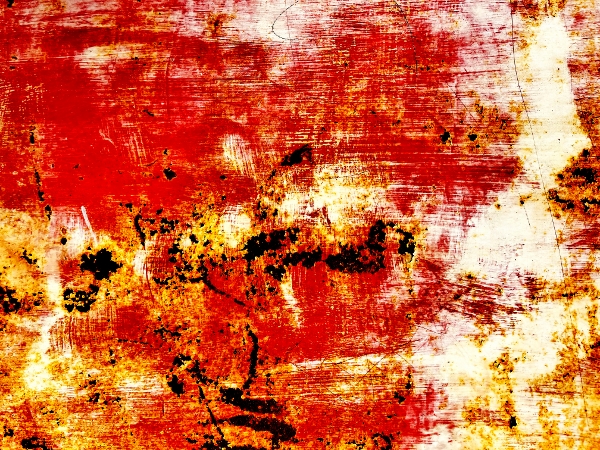
© Roberto Alborghetti – Close-up photography; this is not a digitally created, manipulated or enhanced image.– Scatto fotografico a distanza ravvicinata; non è un’immagine manipolata o creata digitalmente.
City streets around the world are like open-air art galleries. We generally do not notice it, but in every city and town, the weathering and decay of urban materials bring about a transformation of colors, shapes, and surfaces. The passage of time leaves its mark on walls, creating surprising chromatic elements. For this series of images, I have selected shots from London, Rome, Bari, and Barcelona.
They are close-up photographs of what passes before our eyes without us noticing. I firmly believe that in urban decay, we can glimpse and see images—one might even say, “paintings”—that we would easily admire in the most renowned and prestigious modern art galleries. Instead, we find all this on the walls of important cities, where the passage of time leaves its marks and changes through lacerations, corrosion, cracks, rust, scratches, and natural deterioration.
They are “signs” that invite us to slow down, to stop our pace, to return to observing what is around us (the world of our cities), to see calmly, to move our eyes more slowly, avoiding quickly scrolling through the scenes before us, because now we act as if everything has become a screen. City walls are “living matter” in every season and every day.
ABOUT LACER/ACTIONS PROJECT BY ROBERTO ALBORGHETTI
The deterioration of outdoor matters and materials can emerge and transform into another language through photography and close-up photography. This is the purpose of LaceR/Actions by Roberto Alborghetti. It is a multidisciplinary research project on the signs, degradation, and deterioration of the urban landscape, particularly the apparent chaos of deteriorated paper on billboards and displays.
Roberto has collected so far over 180,000 images around the world. Captured by the camera and transferred to canvas, reproduced on lithographs or fabrics (such as pure silk), or scanned into a video clip, the details of the decomposed and torn posters, cracks, corrosions and natural scratches give new life to deterioration and decay. In the decomposed and torn advertisements, the “discarded” city is recognizable, self-destructing in its messages, self-regenerating, and reproducing itself in new visual elements, often contradictory, dissonant, and discordant, but nonetheless surprisingly vital. http://www.robertoalborghetti.com
***
Le strade delle città del mondo sono come gallerie d’arte all’aperto. Generalmente non ce ne accorgiamo, ma in ogni città, in ogni paese, il deterioramento e la decomposizione dei materiali urbani portano con se un mutamento di colori, forme, superfici. Il tempo che passa lascia sui muri le sue tracce che assumono elementi cromatici sorprendenti. In questa serie di immagini, ho scelto alcuni scatti relativi alle città di Londra, Roma, Bari e Barcellona.
Sono fotografie ravvicinate di ciò che passa sotto i nostri occhi senza che ce ne accorgiamo. Sono convinto che nelle forme di degrado urbano si possono scorgere e vedere immagini – verrebbe da dire: “quadri – che non faticheremmo ad ammirare nelle gallerie più rinpomate e prestigiose di arte moderna. Invece, troviamo tutto questo sui muri di città importanti, dove il passaggio del tempo lascia i propri segni e i propri cambiamenti attraverso lacerazioni, corrosioni, crepe, ruggini, graffi e deterioramento naturale.
Sono “segni” che ci invitano a rallentare, a fermare il nostro passo, a tornare ad osservare ciò che ci sta intorno, a vedere con calma, a muovere gli occhi con più lentezza, evitando di scrollare velocemente le scene che abbiamo davanti, perchè ormai si agisce come se tutto fosse diventato uno schermo. I muri delle città sono “materia viva” in ogni stagione e in ogni giorno.

