© Roberto Alborghetti
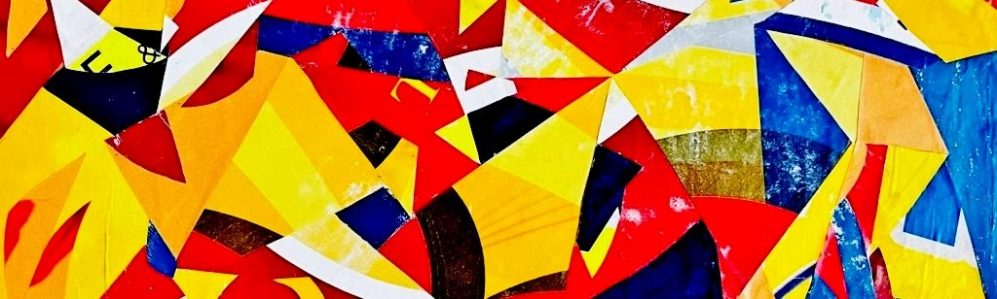
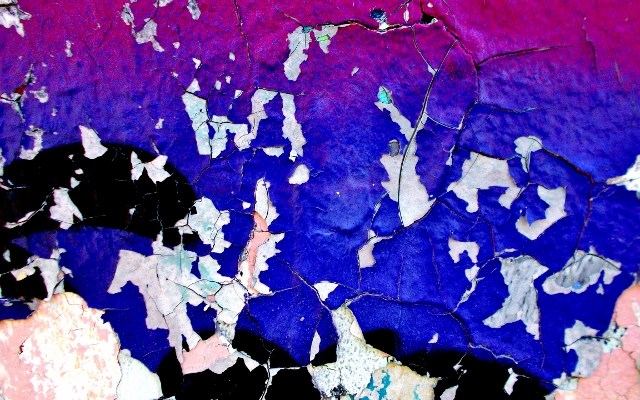
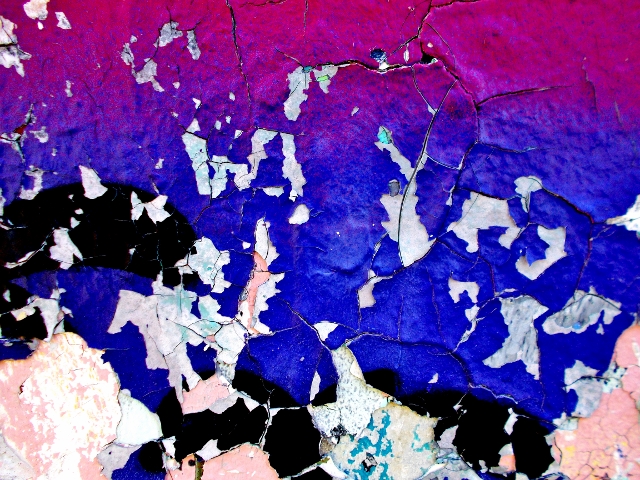
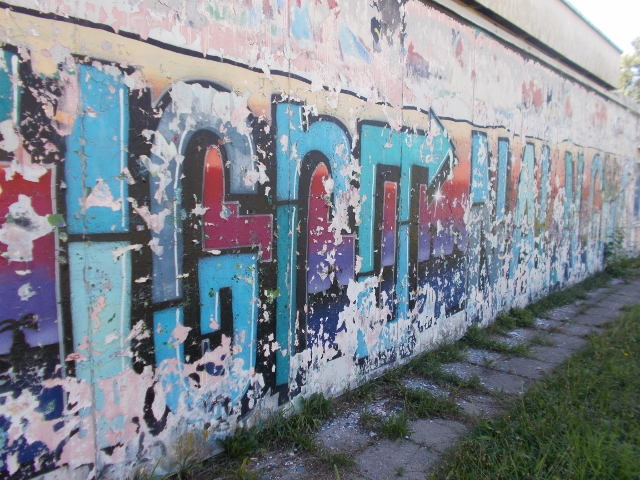
In Locarno, a beautiful city in Italian-speaking Switzerland, I happened upon a wall that immediately caught my attention. It’s located near the cycle/pedestrian path that leads from Locarno to Ascona. The structure is close to a sports center and perhaps even forms part of it, being at the rear of the building. What appears on the walls certainly doesn’t, at first glance, invite us to linger and look. Indeed, the wall—which could be defined as urban decay—is as if it were “invisible,” or rather, we don’t want to notice or see it, precisely because it’s so disturbing. But if you overcome visual laziness and approach the long wall, you discover a world and a chromatic dimension that deterioration has strengthened and shaped.
Layers of decaying advertising posters, spray-painted slogans, and various paint jobs have been swallowed up by rain, wind, dust, and smog. In short, wear and tear has transformed the walls into a sort of vast palette, with colors called upon to meet, mingle, and intermingle in truly incredible chromatic interplays. Seen and observed in its distinct parts, the Locarno wall is, in my opinion, a singular overview of contemporary art. The individual parts recount the spontaneous temporal mutation (and decomposition) of paper, paint, and plaster.
Matter “lives” even when it is no longer recognizable and becomes “non-visible.” What I like to do is capture the moment of this process of change. I did the same in Locarno, along the road leading to the elegant city of Ascona. Many shots. I’ve featured some in this web gallery: it’s street photography that can become informal and abstract art, as documented by the over 180,000 photographs I’ve captured so far along streets around the world, including those in Switzerland.
*
A Locarno, bella città della Svizzera Italiana, mi è capitato di imbattermi in un muro che ha immediatamente attirato la mia attenzione. Si trova vicino al percorso ciclopedonale che da Locarno porta ad Ascona. La struttura è vicina ad un centro sportivo e forse ne è parte, in quanto parte posteriore della costruzione. Quanto appare sulle pareti non invita certo, in un primo momento, a soffermarsi e a guardare. Infatti, il muro – che si potrebbe infatti definire degrado urbano – è come se fosse “invisibile”, o meglio: non vorremmo notarlo e vederlo, proprio perchè disturbante. Ma se si vince la pigrizia visiva, e ci si avvicina alle pareti del lungo muro, si scoprono un mondo e una dimensione cromatiche che il deterioramento ha rafforzato e modellato.
Strati di manifesti pubblicitari decomposti, scritte fatte con lo spray, tinteggiature diverse sono state come fagocitate da pioggia, vento, polvere, smog. L’usura ha insomma trasformato le pareti in una sorta di grande tavolozza, con i colori chiamati a incontrarsi, lambirsi e contaminarsi, in giochi cromatici davvero incredibili. Visto e osservato nelle sue distinte parti, il muro di Locarno è, secondo me, una singolare panoramica sull’arte contemporanea. Le singole parti raccontano la spontanea mutazione temporale (e la decomposizione) di carta, vernici, intonaci. La materia “vive” anche quando non è più riconoscibile ed appunto diventa “non visibile”. Quello che mi piace fare è appunto cogliere l’attimo di questo processo di cambiamento. Così ho fatto anche a Locarno, lungo la strada che porta nella elegante città di Ascona. Tanti gli scatti. Alcuni li propongo in questa galleria web: è la fotografia di strada che può diventare arte informale and arte astratta, così come documentano le oltre 180.000 fotografie che ho finora “catturato” lungo le strade del mondo, compreso quelle svizzere.
For info: okayredazione@gmail.com
 ROBERTO ALBORGHETTI
Wow!! What a capture Roberto! Bravo!
Marysia, Art Culture Tourism
Thank you so much Marysia! From decay to art. Like the Ghost Bus!