
Foto: © Roberto Alborghetti
“The Count of Monte Cristo”: the charm and relevance of a great novel that knows no decline. There are numerous television and cinematographic “transpositions” (about twenty) that offer rereadings of the work of Alexandre Dumas senior (1802-1870) who set the initial story of Edmond Dantès in Marseille, and in the Castle of If.
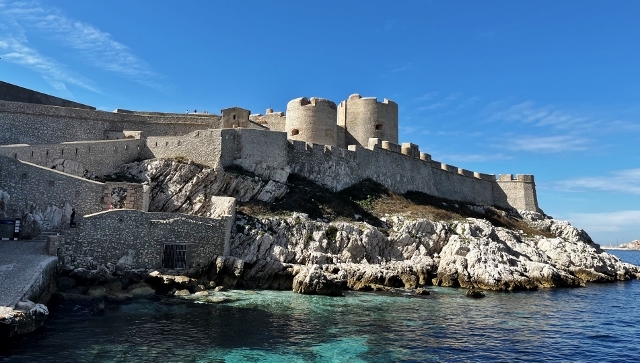
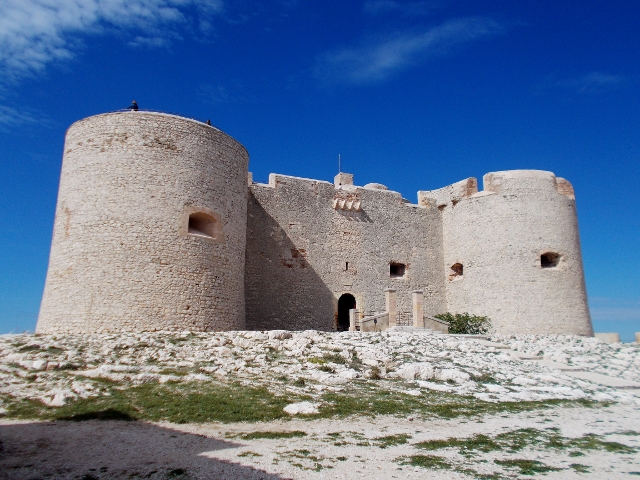
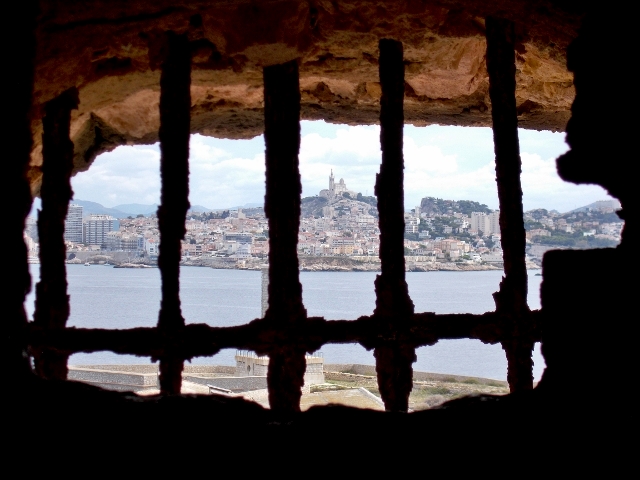
Last September, I had the opportunity to visit what is now called the Castle of “The Count of Monte Cristo”: here the prisoner Dantès – victim of a cruel injustice – spent 14 years of his life in terrible conditions, as Dumas recounts . Frequent crossings depart from the Old Port of Marseille on boats to the archipelago of the Frioul and If Island. After less than half an hour of navigation, you arrive at the place that inspired Dumas for one of the main junctions of his novel.
This is what Dumas writes (Chapter 8) in his novel: “…and he saw the black and steep rock rising a hundred fathoms away on which the black Castle of If stands like an excrescence of flint. This strange form, this prison over which such profound terror reigned, this fortress which had been part of the gloomy traditions for three hundred years suddenly appeared before Dantès…”.
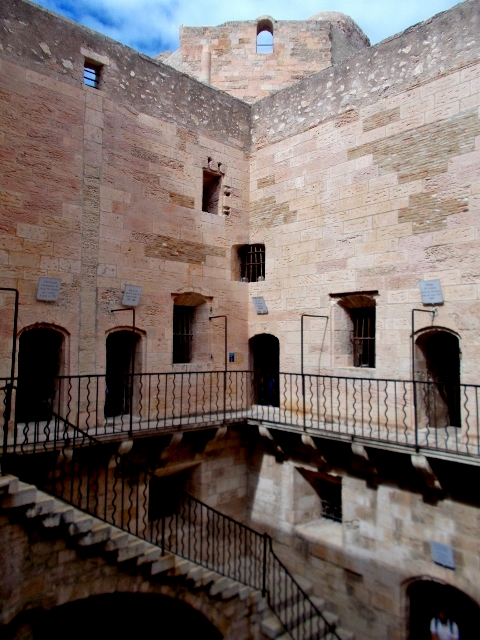
The fortress (declared a national historic monument in 1926), although restored, retains the dark and tragic atmosphere of the famous novel intact. The island of If was fortified in 1524 by King Francis I to defend the Marseille harbor from attacks by sea. At the end of the 16th century it was completed by a city wall.
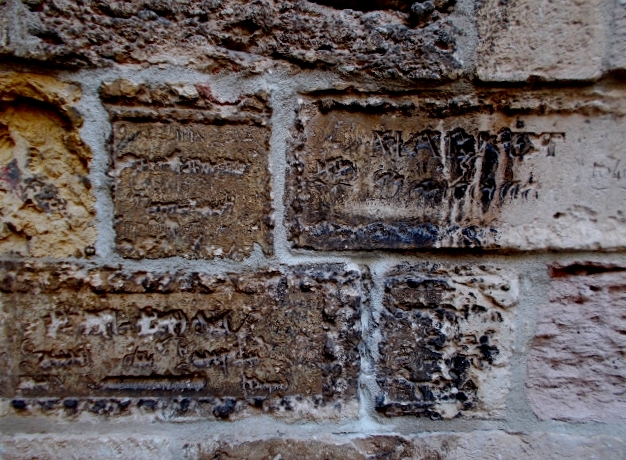
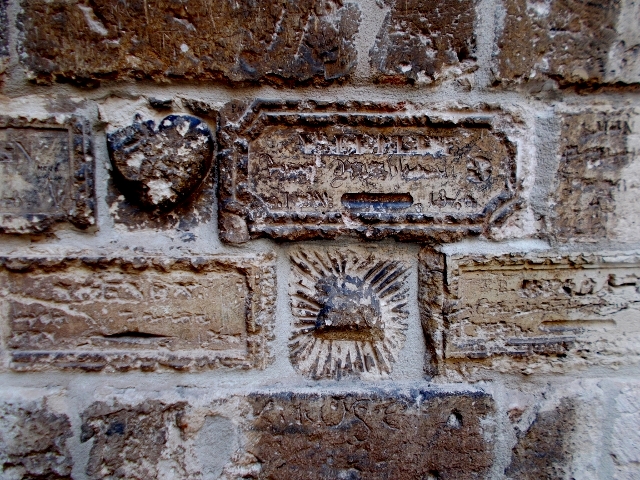
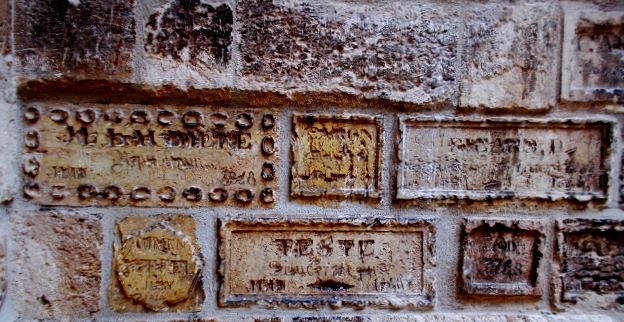
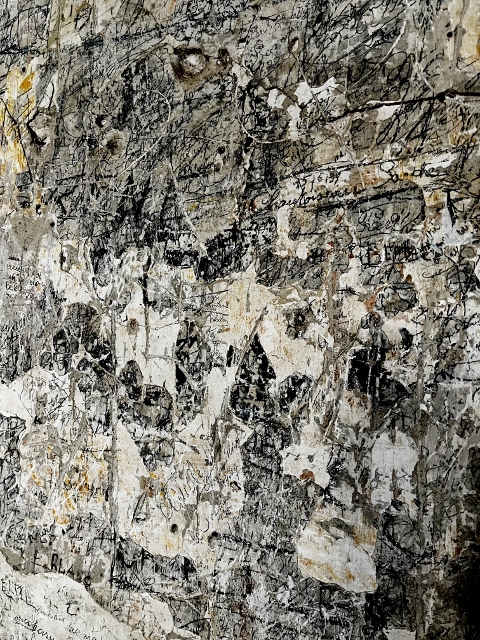
In addition to its defensive role, starting from 1634 the fortress became a state prison. Famous people were incarcerated there (such as the brother of the King of Poland, Mirabeau and others) whose names are remembered today in the cells in which the prison-fortress was built. A plaque commemorates that 3,600 people locked up in If died because they professed the Protestant religion. On the walls, graffiti left by prisoners and by the soldiers themselves who guarded the place are visible. Signs that, from the past, send messages of hope and desperation, arousing human pity and intimate rebellion.

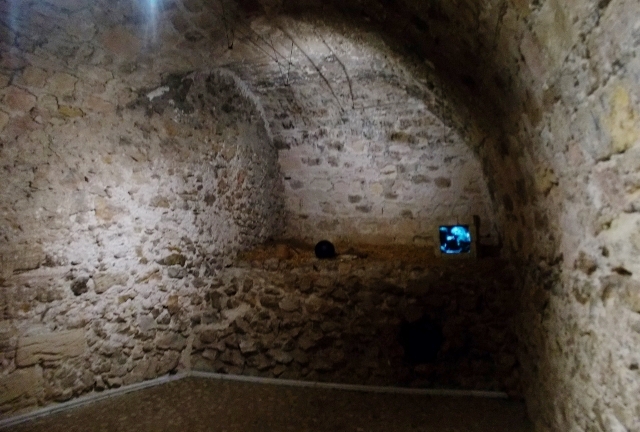
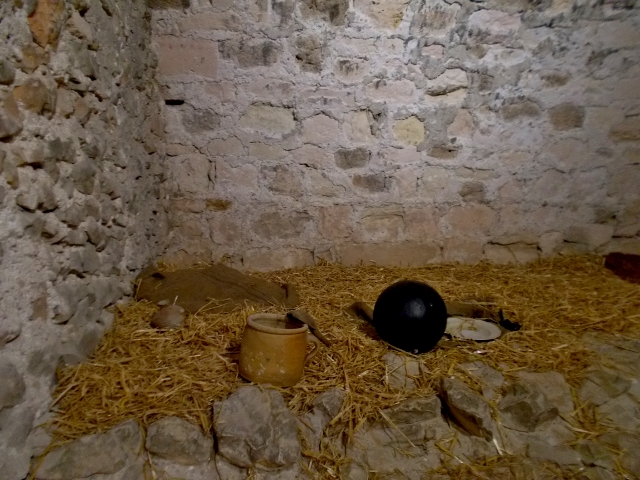
The pages of “The Count of Monte Cristo” inspired, in the Castle, the layout of Dantès’ and Abbot Faria’s cell (see the photos above). In the penumbra of If’s prison you can truly perceive the strength of a novel that was able to sculpt in stone the experiences of many poor people and make palpable and concrete what was a plot created by the genius of the great French writer and playwright.
alexandredumas #marseille #france #marseilleturismo #monumentimarseille #officedetourismemarseille #castelloif #isolefrioul #contedimontecristo #billeaugust #samclaflin
*
“Il conte di Montecristo”: il fascino e l’attualità di un grande romanzo che non conosce declino. Sono numerose le “trasposizioni” televisive e cinematografiche ( una ventina) che offrono riletture dell’opera di Alexandre Dumas padre (1802-1870) che ambientò a Marsiglia, e nel Castello di If, la vicenda iniziale di Edmond Dantès.
Ho avuto modo, nel settembre scorso, di visitare quello che ormai è chiamato il Castello de “Il Conte di Montecristo”: qui il prigioniero Dantès – vittima di una crudele ingiustizia – trascorse 14 anni della sua vita in condizioni terribili, come racconta Dumas. Dal Porto Vecchio di Marsiglia partono frequenti traversate, a bordo di battelli, con destinazione l’arcipelago delle Isole Frioul e If. Dopo neanche mezz’ora di navigazione, si approda nel luogo che ispirò Dumas per uno degli snodi principali del suo romanzo.
Così scrive Dumas (Capitolo 8) nel suo romanzo: “…e vide a cento tese lontano innalzarsi la nera e scoscesa roccia sulla quale sorge come una escrescenza di silice il nero Castello d’If. Questa forma strana, questa prigione sulla quale regnava un sì profondo terrore, questa fortezza che faceva da trecent’anni parte delle lugubri tradizioni comparve ad un tratto innanzi a Dantès…”.
La fortezza (dichiarata monumento storico nazionale nel 1926), benché restaurata, conserva intatta l’atmosfera oscura e tragica del celebre romanzo. L’isola di If venne fortificata nel 1524 da re Francesco I° per difendere la rada di Marsiglia dagli attacchi via mare. Alla fine del XVI secolo venne completata da una cinta muraria.
Accanto al ruolo difensivo, a partire dal 1634 la rocca divenne prigione di Stato. Vi vennero incarcerati personaggi illustri (come il fratello del Re di Polonia, Mirabeau ed altri) i cui nomi sono oggi ricordati nelle celle in cui la prigione-fortezza venne strutturata. Una lapide fa memoria che ad If trovarono la morte 3.600 persone rinchiuse perché professavano la religione protestante. Alle pareti, sono visibili graffiti lasciati dai carcerati e dagli stessi militari che presidiavano il luogo. Segni che, dal passato, lanciano messaggi di speranza e disperazione, suscitando umana pietà ed intima ribellione.
Le pagine de “Il Conte di Montecristo” hanno ispirato l’allestimento della cella di Dantès e dell’abate Faria. Nella penombra della prigione di If davvero si percepisce la forza di un romanzo che ha saputo scolpire nelle pietre il vissuto di tanti povericristi e rendere palpabile e concreta ciò che era una trama creata dal genio del grande scrittore e drammaturgo francese.
#alexandredumas #marsiglia #francia #marsigliaturismo #monumentimarsiglia #officedetourismemarseille #castelloif #isolefrioul #contedimontecristo
 ROBERTO ALBORGHETTI