



© Roberto Alborghetti
There are many surprises and wonders in the lands surrounding Rome. Like Tivoli, a city that holds two Unesco sites in its territory. In ancient Tibur, the first marvel to be declared a World Heritage Site was the archaeological area of Villa Adriana (1998), followed in 2001 by Villa D’Este. Villa Adriana was built by the Emperor Hadrian (II Century AD); Villa d’Este is from the Renaissance period, famous throughout the world for its Italian garden enlivened by hundreds of fountains.
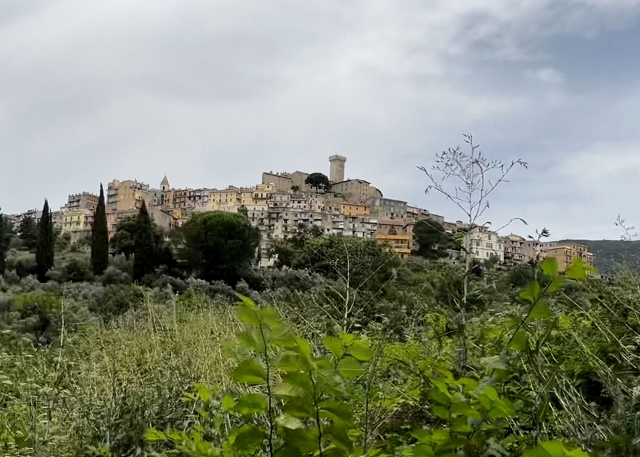
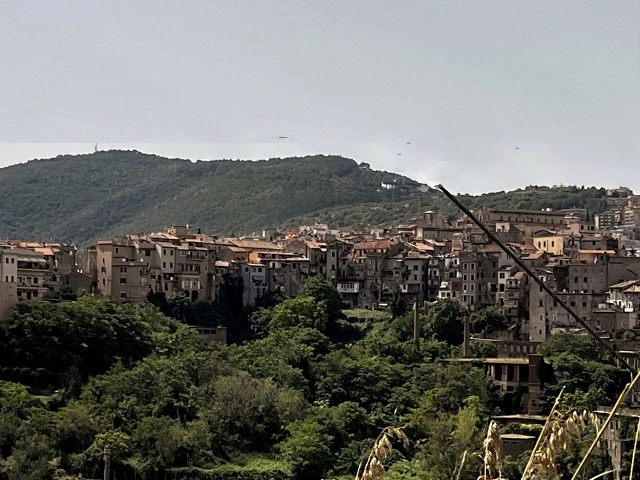
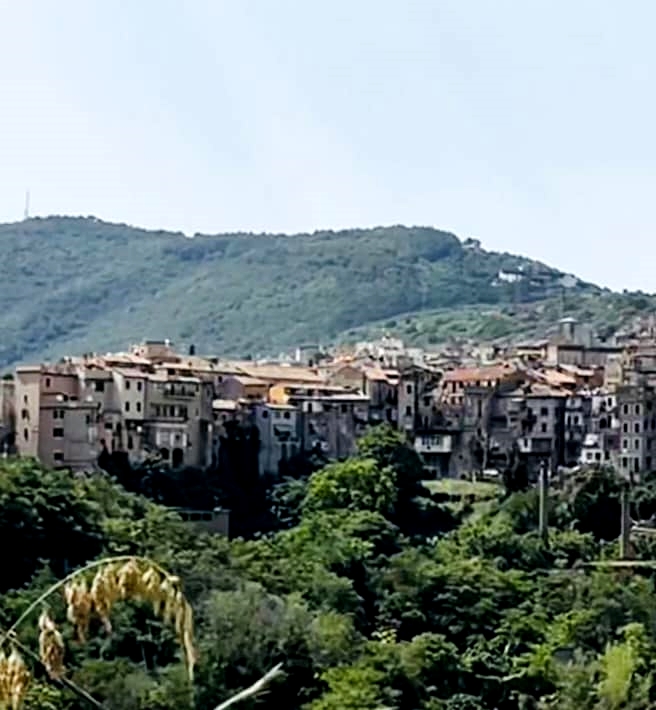
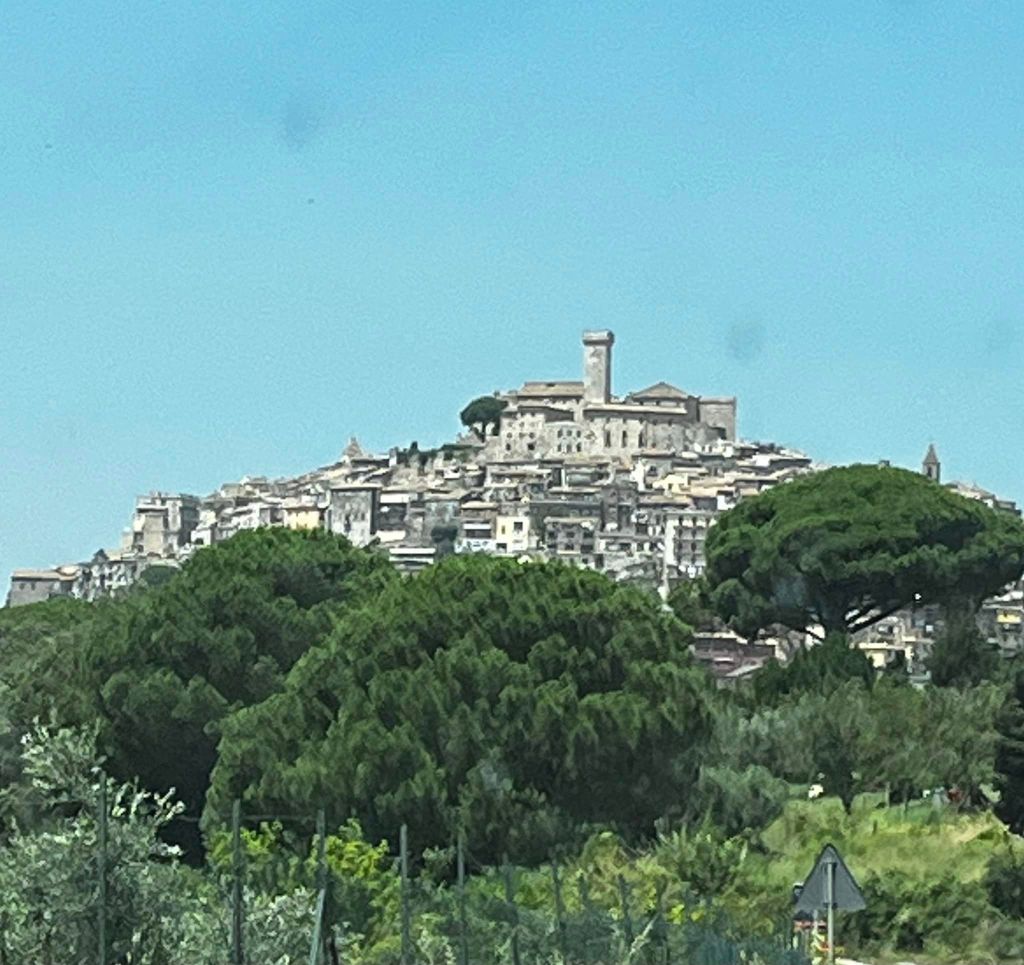
A few kilometers from Tivoli, here is Palombara Sabina. The ancient center is perched on a hill (at the foot of Monte Gennaro) dominated by the Savelli Castle. The village dates back to the 9th century at a time when the settlements were built around fortresses and fortresses considered defensive bulwarks. The primitive watchtower saw the rise of the town with streets that climb and intertwine in a spiral. During the ascent you cross the Rescue Wall, about one hundred meters long, whose meaning lies precisely in being a support for those who face the daring climb on foot. #tivoli #palombarasabina #lazio #italy
*
Tante le sorprese e le meraviglie nelle terre che fanno corona a Roma. Come Tivoli, città che custodisce due Siti Unesco nel proprio territorio. Nell’antica Tibur, la prima meraviglia ad essere dichiarata patrimonio dell’umanità è stata l’area archeologica di Villa Adriana (1998), seguita nel 2001 dalla Villa D’Este. Villa Adriana venne costruita dall’Imperatore Adriano (II secolo d.C.) ; Villa d’Este è di epoca rinascimentale, famosa nel mondo per il suo giardino all’italiana animato da centinaia di fontane.
A pochi chilometri da Tivoli, ecco Palombara Sabina. Il centro antico è arroccato su una collina (ai piedi di Monte Gennaro) dominata dal Castello Savelli. Il borgo risale al IX secolo all’epoca in cui gli insediamenti abitativi si costituivano attorno a rocche e fortezze ritenute baluardi difensivi. La primitiva torre di guardia vide sorgere l’abitato con vie che salgono e s’intrecciano a spirale. Nell’ascesa si incrocia il Muro del soccorso, lungo circa cento metri, il cui significato sta appunto nell’essere un sostegno per chi affronta a piedi l’ardita salita. #tivoli#palombarasabina#lazio#italia
 ROBERTO ALBORGHETTI